

 30 Second Summary
Empowering younger generations in animal activism is key to building a compassionate, sustainable future. From grassroots movements to school programs incorporating humane education, young activists are leading the charge against speciesism and advocating for animal rights. This blog explores strategies to inspire and equip the next generation with the tools and knowledge needed to protect animals and reshape society for the better.
Empowering and engaging younger generations in animal rights activism
If children are the future and the future is vegan, then one of the most effective impacts we can have as animal rights activists is empowering younger generations with the knowledge, opportunities and resources to build and protect a better world for all living beings.
Engaging younger generations in volunteering and activism builds crucial skill sets which run deep into adulthood. These opportunities can support individuals to think critically, develop leadership and communication skills, forge a secure sense of identity, and make more informed decisions concerning real-world issues. With animal activism specifically, it raises an early understanding of speciesism and how to integrate these values into the propagation of animal rights.
The power and success of engaging young people in animal activism is reliant on three focused areas: Educational Integration, Community Involvement, and Social Media Campaigns.
Educational Integration
The best arena to explore animal rights issues directly with young people is in the classroom, as this is already the perfect environment to educate, answer questions, and facilitate discussions. Transformative education looks at what is being taught, and explores ways to integrate more social and emotional learning via the current curriculum.

HEART
One organisation catalysing humane education into school curriculums is HEART (Humane Education Advocates Reaching Teachers). HEART’s mission is to ensure every classroom includes lessons about animal protection, social justice, and environmental ethics. This is achieved by curating specific programmes and teaching resources focusing on children’s social and emotional learning and their connection with animals. The scope of their work and the impact it’s having on the future of education is phenomenal and HEART hopes to see more governments and institutions employing this style of learning during the vital developmental years of children.
New York Public Schools
In 2019, New York City announced that for one year, the city’s 1800 schools would adopt the Meatless Monday campaign, sparking conversations not only within educational institutions, but outside of them as well.
“[The Meatless Monday campaign serves as] a promotional platform for conversation and often participants extend meatless meals to other days or their families, their surveys have shown. [The initiative] doesn’t work without the conversation”
- Martin Bloem, Prof. of Environmental Health at Johns Hopkins Bloomberg School of Public Health
The incentive, initiated by New York City Mayor Eric Adams, was hugely successful and continues to this day, with the school system now serving completely plant-based meals on Fridays.
Plant-Based Universities
In the UK, a similar student-led campaign organised by Animal Rising has been gaining continuous momentum since 2021, calling on universities to reduce their use of animal food products and transition to plant-based catering services. With active campaigns in over 50 universities, Plant-Based Universities have successfully gained victories in 11 UK universities (including the University of Cambridge) and have even started to make a global impact with one international win.
The campaign is pragmatic in its approach; rather than demanding a ban on all animal products, they strive to help universities divert away from them and instead explore and promote alternative, cruelty-free, environmentally friendly sources for their food and catering.
This has sparked more and more conversations around the impact of animal agriculture and the institutional responsibilities that come with propagating these industries; a dialogue which is unlikely to have occurred if they hadn’t been initiated by the students themselves.
“The student population are statistically the most likely demographic to be supportive of plant-based food for environmental reasons, and there is also a long history and tradition of student activism and radicalism. Just like universities were among the first institutions to divest from fossil fuels, they can be the first to divest from animal agriculture.”
- Plant-Based University Website
Community Involvement
YouthREX’s report on “Engaging Youth in Community Decision Making” gives a thorough insight into the wide-reaching benefits of engaging youth in community projects, with young people reporting that active participation in community activities gives them “a greater sense of control over their lives”. Other benefits included feeling “more comfortable interacting with people of different ages and backgrounds”, “experiencing the consequences of decisions and accountability for actions”, “experimentation with other roles and identities”, and, vitally, the development of “more compassion for others”.
Another interesting benefit from young people's involvement were the responses from adults and their understanding of what it’s like to work with young people and fresh ideas.
“Adults have come to see and appreciate young people as competent contributors and decision makers. They often feel more confident relating to young people and… report that they are re-energized by the fresh perspectives, enthusiasm and desire of young people to try new things.”
This is pivotal for strengthening cross-generational relationships, an area which can sometimes feel divisive, particularly when discussing the future and having to challenge old beliefs which may no longer be relevant or useful. By embracing new perspectives, organisations have felt better equipped to foster inclusivity and innovation in their work.
Animal Hero Kids
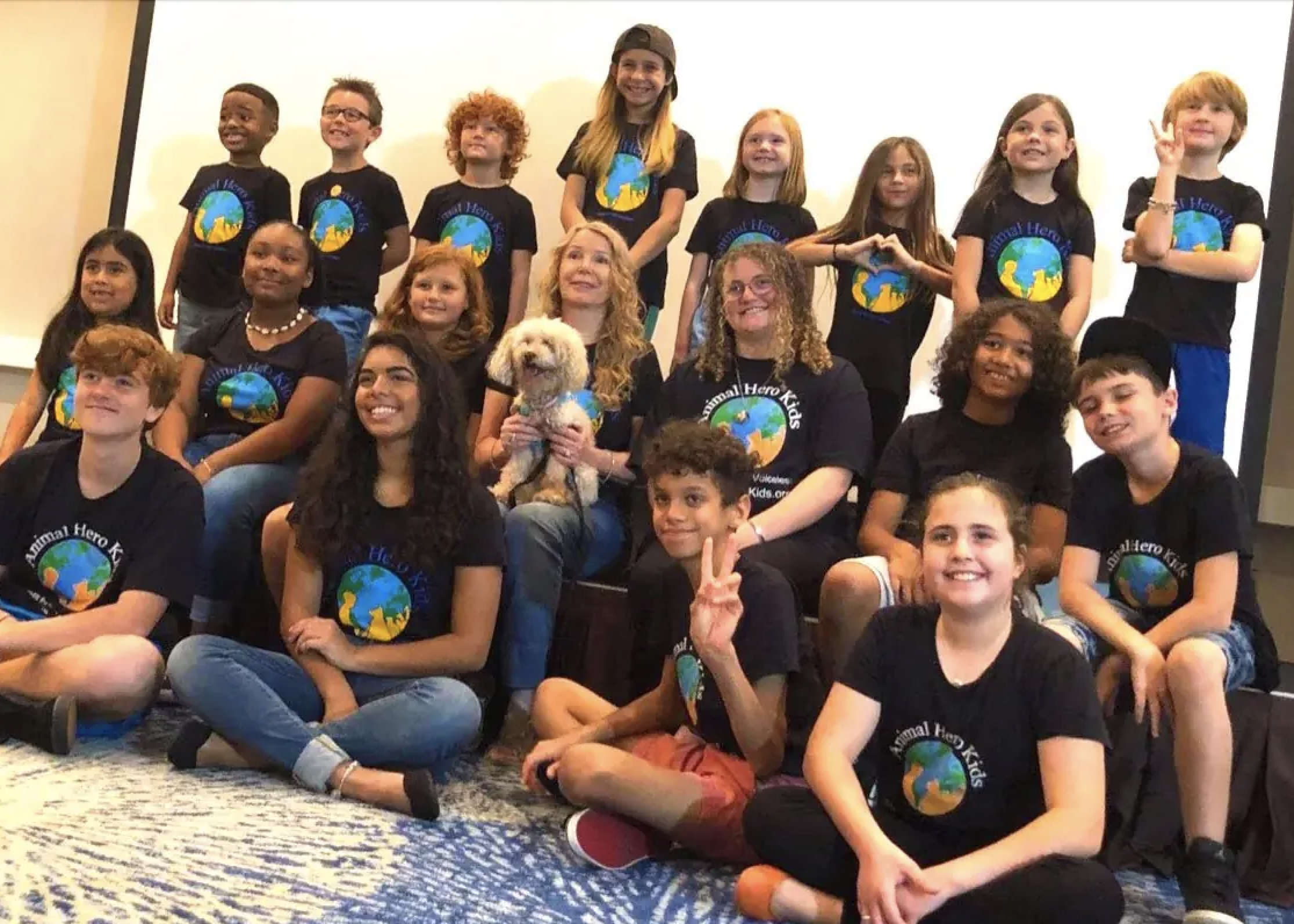
Source: Animal Hero Kids
Animal Hero Kids is a volunteer-led program offering free presentations in schools to demonstrate the importance of advocacy and action for all animals, highlighting animal rescue stories as a main topic and offering vegan food to students. Children and teens can then join as an Animal Hero Kid and take part in community demonstrations and protests. The organisation even hosts an annual awards ceremony with prizes given to those who have displayed outstanding acts of kindness towards animals. Previous successes from the program include stopping the use of animals in circuses and reshaping public perception on the caging or killing of wildlife.
Social Media Campaigns
PEW Research Centre conducted a study to find how often U.S. teens are online, with results highlighting that “the share of teens who say they are online ‘almost constantly’ has roughly doubled since 2014-2015”, highlighting social media apps as the most frequently visited.
This means that online campaigns linked to veganism and animal rights are exceptionally advantageous as they allow direct access to a global audience, with calls to action potentially gaining mass participation.
Great examples of social media campaigns include:
Fridays for Future
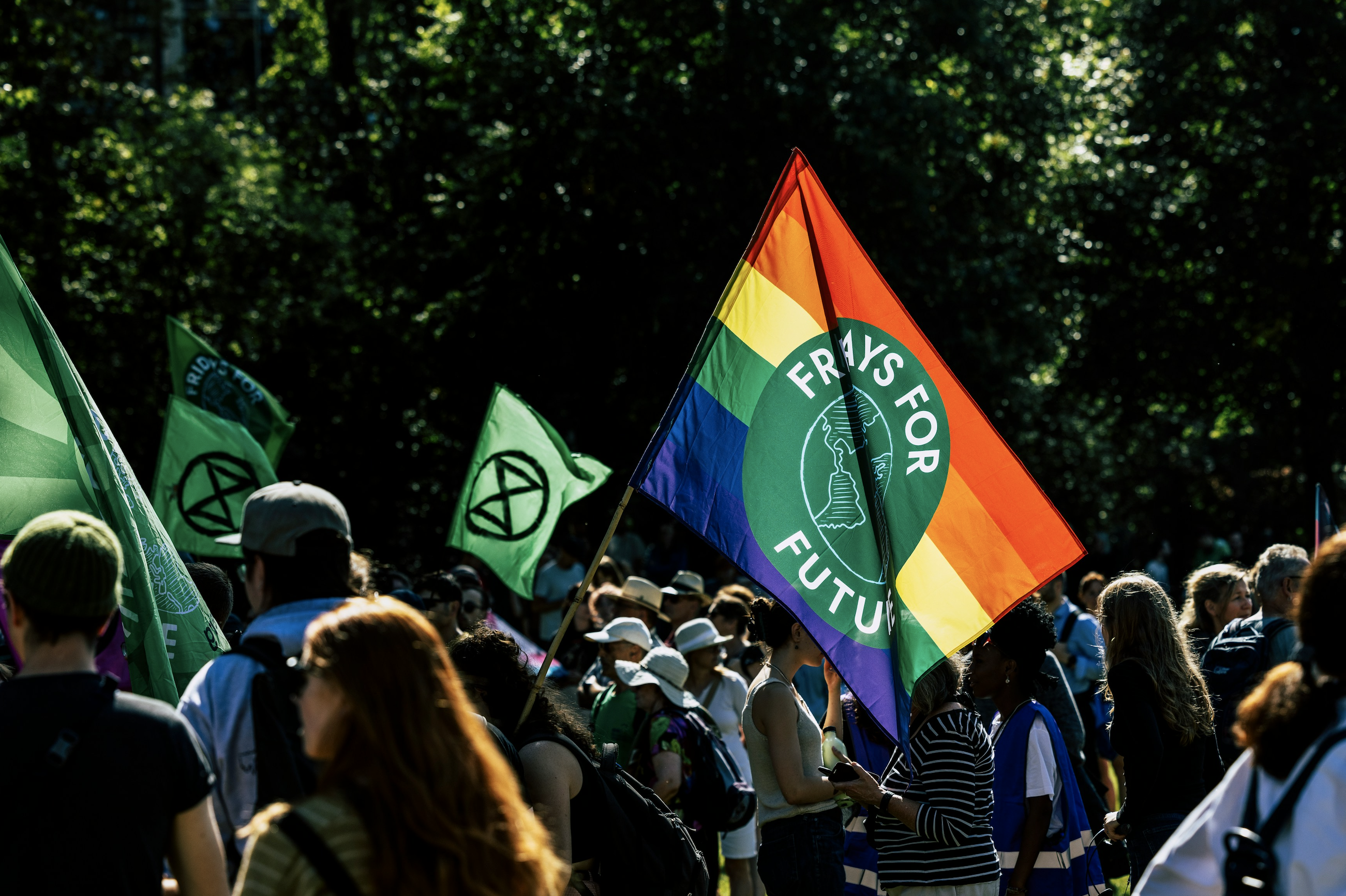
Greta Thunberg’s “Fridays for Future” highlights the impact one young person can have when they utilise their social media platform to raise awareness toward a particular issue. By delivering a consistent, clear call to action, Greta inspired young people across the world to create a chain of social media posts documenting their participation in school strikes by using the hashtag #FridaysForFuture. Rapidly gaining thousands of followers, Greta mobilised and unified young activists to coincide their strikes, empowering the movement even further and attracting international media coverage. This movement placed climate change directly into the political and public landscape, influencing and inspiring conversations around the globe.
Meatless Mondays & Veganuary
Two successful social media campaigns linked to veganism - “Meatless Mondays” and “Veganuary” - have each gained significant traction to bring awareness to the benefits of a plant-based diet. While these movements' primary aims focused on the health benefits and environmental sustainability of a plant-based diet, animal rights activists were able to use associated hashtags to nudge users towards educational content exploring how their dietary choices could also protect animals. The reach of these campaigns allowed veganism to be recognised for its multitude of merits, as well as educating and inspiring people of all ages.
Digital Activism
Apps are also a great way to build commitment based activity with younger audiences. Abillion connects users with vegan products and restaurants, and awards credits for each review or recommendation contributed which can then be donated to an animal rights non-profit partner. So not only does the app support and promote vegan businesses, but users can actively raise money for the animals from the comfort of their home, so everybody wins!
The Future is Vegan
By structuring methods around these three vital components - educational integration, community involvement and social media campaigning - we can build momentum and clarity for younger generations who want to live in a more compassionate, more sustainable, and more coherent society. Instilling values of empathy, education, and critical thinking at a young age empowers them to think ahead and act sooner, which accelerates the process of liberating not just the animals, but the minds of those who are willing and ready to help them.
But the buck doesn’t stop there. We all have a responsibility to continue our learning and involvement in this cause. By accessing our training resources or signing up to our FREE workshops, you can extend your knowledge and passion in animal rights and promote a better future for all younger generations to come.
Additional resources:
-
Teens, Social Media and Technology 2023 - Pew Research Centre
-
Engaging Youth in Community Decision Making - Centre for the Study of Social Policy
