

 30 Second Summary
Discover the surprising side benefits of veganism beyond animal rights. Adopting a vegan lifestyle not only helps to protect animals, but also brings significant environmental, personal health, and public health advantages. From reducing deforestation and greenhouse gas emissions to lowering your risk of chronic diseases and preventing zoonotic diseases and potential pandemics, learn how going vegan can contribute to a healthier you and a safer world.
3 side benefits of veganism you might not know about
Veganism and animal rights go hand in hand. You can’t really believe in one without believing in the other. You can’t be “vegan for the planet” or “vegan for your health”, because at its core, veganism is a decisive action structured around the principle of ending the exploitation and suffering of animals. Veganism is, and always will be, for the animals.
That being said, it doesn’t hurt to know that adopting a vegan lifestyle has benefits which reach far beyond the fight for animal rights, with vastly significant consequences you may not even be aware of, or at least, not to the degree you might expect.
Environmental Impact
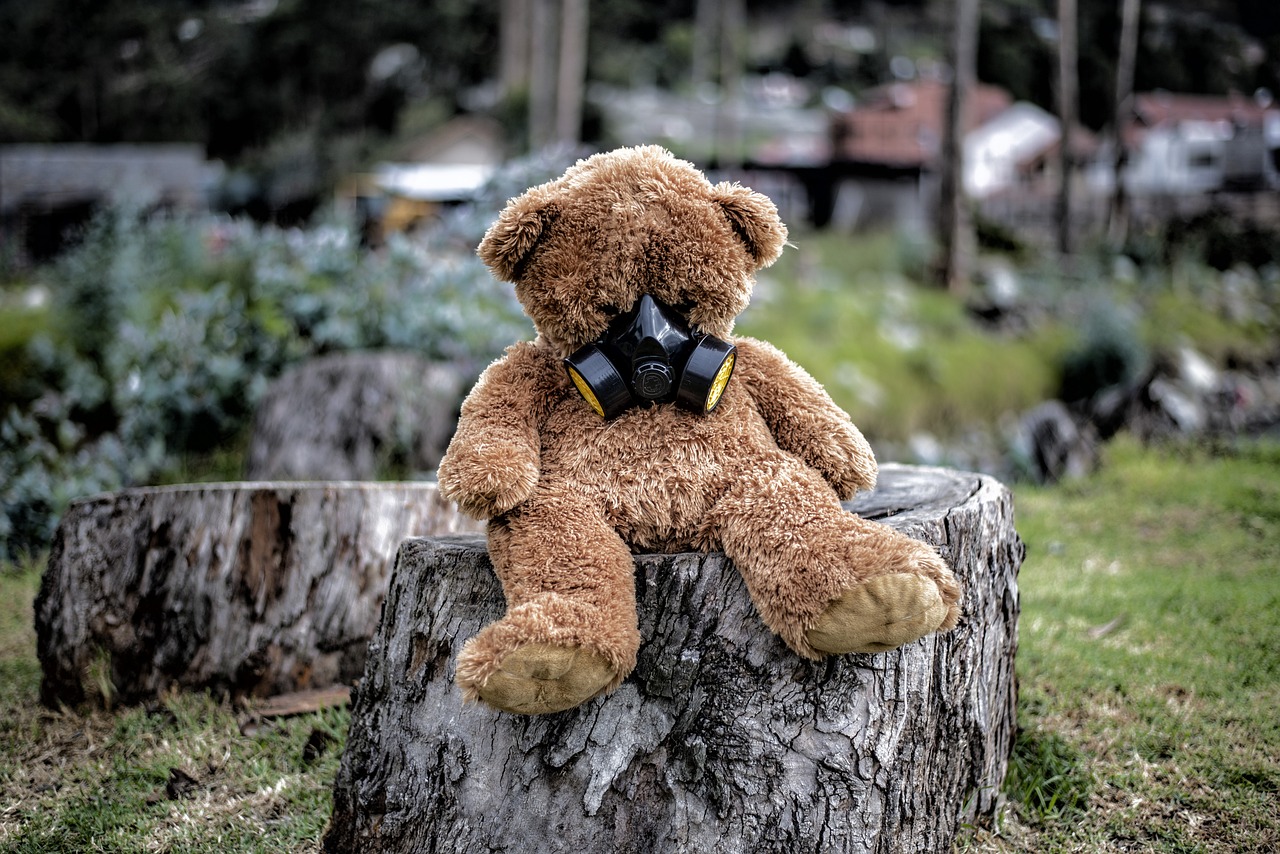
Agriculture, Forestry and Other Land Use (AFOLU) is listed as one of the leading causes of greenhouse gas emissions by the Food and Agriculture Organization (FAO), with estimates placing their contributions at around 18-24% of the overall global impact. Livestock production alone represents 14.5% of that estimate, with the remainder constituting a mix of deforestation and land clearing for agriculture and soil management practices.
These figures are vastly significant when we look at the impact consuming animal products has on our Earth’s environment and atmosphere (particularly when we consider the fact that we do not have to eat meat to survive). Deforestation is particularly problematic because trees stabilise our atmosphere by absorbing carbon dioxide and releasing oxygen in exchange. But when we cut a tree down, it releases carbon dioxide, and the damage is then further compounded by the fact there is now one less tree to absorb carbon dioxide and release oxygen in return. On a mass scale, this imbalance is literally devastating. University of Oxford researchers determine that if the whole planet shifted to a plant-based diet, we could reduce 75% of the land space currently used for agricultural land, and use that space to reforest, rewild and restore the land.
And somehow worse than that is the liability commercial fishing has for altering the delicate balance of our planet’s ecosystems. Huge fishing vessels harvest fish out of the ocean faster than they can repopulate, with miles-long trawler nets dragging across the ocean floor and tearing apart marine habitats. 83% of our global carbon cycle happens in the oceans, but this can only happen when the ecosystem is in balance, so when we remove fish and destroy their homes, we wreak havoc on our climate stability.
The science is very clear on this. There is no neutrality when it comes to food choices and their environmental impact. When we consume animal products, we knowingly contribute to harmful climate practices, but when we consume plants, our actions are climate positive.
Personal Health

One of the more common conversations when discussing veganism with non-vegans is the topic of personal health. There have been numerous studies and documentaries detailing the health benefits of going vegan, but still the debate continues.
The first thing worth noting is that WHO’s International Agency for Research on Cancer (IARC) has declared processed meat as a class 1 carcinogen (certified carcinogenic to humans) and red meat as a class 2A carcinogen (likely to be carcinogenic to humans), putting those who consume processed and red meats at a much higher risk of developing certain cancers.
The second primary health concern with animal-food diets is the increased risk of heart disease. Cardiovascular diseases are the number one killer globally, making up approximately 32% of global deaths, with ischaemic heart disease accounting for 13% of those deaths. While there are several contributing factors to this, including smoking and a lack of exercise, the largest risk factor is having an unhealthy diet high in saturated and trans fats, which includes red meat, processed meats, and dairy products (particularly cheese). Saturated and trans fats raise cholesterol levels, which over time harden the arteries and increase the chance of a blood clot forming, which is how heart attacks happen. A wholefood, plant-based diet does not contain any dietary cholesterol and is low in saturated fats, meaning it is the significantly healthier option when looking to reduce the risk of falling victim to the world’s number one killer.
The National Institutes of Health (NIH) have also produced studies indicating that a healthy, plant-based diet can not only prevent, but reduce the overall risk of type-2 diabetes, and that a vegan lifestyle is beneficial in preventing neurodegenerative disorders such as Alzheimers.
Once again, the science speaks for itself - society’s biggest personal health risks can be minimised with the adoption of a vegan lifestyle.
Public Health
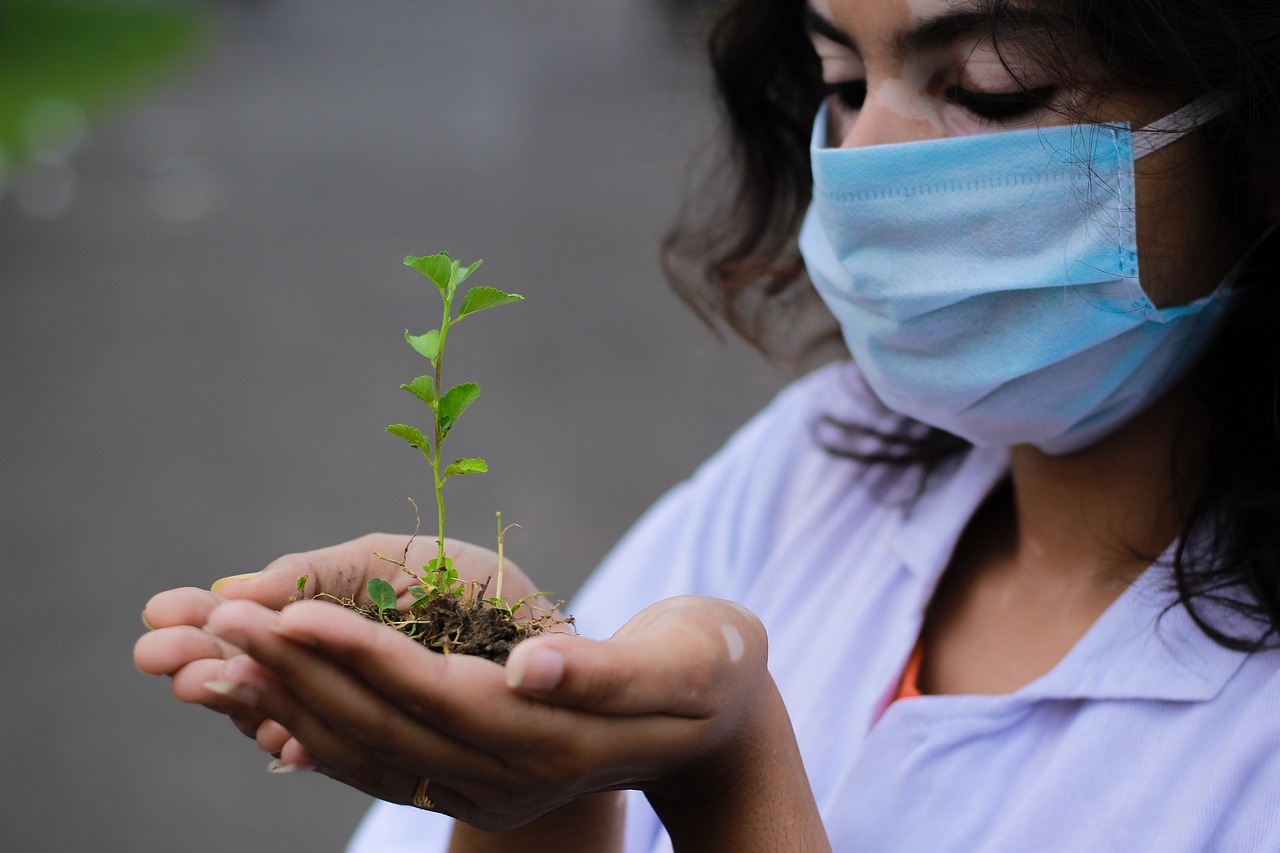
Zoonotic diseases (illnesses transmitted from animals to humans) are one of the biggest threats to public health. Yet, despite all the evidence of risking global catastrophe, we actively do very little to prevent that risk.
Viruses insist on finding new ways to spread and maximise their reach. Influenza A viruses, for example, are extremely common in birds, particularly ducks. If humans had left them alone it may never have been an issue, but by domesticating ducks, the virus came into contact with new hosts such as chickens and pigs. Pigs are particularly problematic when they contract influenza as they can carry both avian and human influenza, meaning they provide a perfect mixing ground for a process called “reassortment”, where new, more contagious and deadly strains can be created. It only takes one mutation for a virus to latch on to a human, and if symptoms are delayed or initially minor, then by the time the dangers are discovered, the spread can become extremely difficult to contain and control.
There have been countless zoonotic diseases originating as a direct result of domesticating, farming, and/or eating animals, including tuberculosis, measles, HIV, ebola, and swine flu, and it is estimated that 75% of emerging diseases are zoonotic.
These issues aren’t made any easier when farmers create unnatural environments acting as breeding grounds for new diseases. BSE (bovine spongiform encephalopathy, or “mad cow disease”) is thought to have started when farmers were feeding the ground up remains of animals to their cattle. The disease should never have existed, but by forcing herbivorous animals to cannibalise - just to save money - a new disease was formed.
To make things worse, animal feed in factory farming is fortified with antibiotics to prevent diseases, as well as promote growth. In fact, it is estimated that 66% of antibiotics currently being produced are fed to farmed animals. This results in viruses mutating to become antibiotic resistant, leaving modern medicine ineffective against them. It is estimated that by 2050, 10 million people will die each year from antibiotic resistant diseases.
The number of avoidable deaths hanging in the air from animal farming is incomprehensible. Whether that’s through climate catastrophe, personal health crises, or global diseases. All because we refuse to leave animals alone.
Which is why there is one, very simple answer to minimise these risks, with an action you can take right now:
Visit 3movies.wtf to access all the resources and support you need to make this crucial change.
Additional Resources:
- Tackling Climate Change Through Livestock - A Global Assessment of Emissions and Mitigation Opportunities - FAO
- Livestock’s Long Shadow - Environmental Issues and Options - FAO
- Vegans, vegetarians, fish-eaters and meat-eaters in the UK show discrepant environmental impacts - Nature
- Do Humans Need to Eat Meat to Be Healthy? - Natures Fynd
- Reducing food’s environmental impacts through producers and consumers - Science Journals
- Top 10 causes of deaths in 2021 - WHO
- A plant-based diet for the prevention and treatment of type-2 diabetes - NIH
- Effect of a vegan diet on Alzheimer’s disease - NIH
- Wildlife, Exotic Pets, and Emerging Zoonoses - CDC
- Coronavirus, Swine Flu, SARS: Major diseases linked to eating animals - PETA UK
- Role of domestic ducks in the propagation and biological evolution of highly pathogenic H5N1 influenza viruses in Asia - PNAS
- The Global Governance of Emerging Zoonotic Diseases - CFR
- Antibiotic Overuse in Livestock Farming - Alliance to Save Our Antibiotics
- Antimicrobial resistance: a global threat - UNEP
